
oval light up mirror
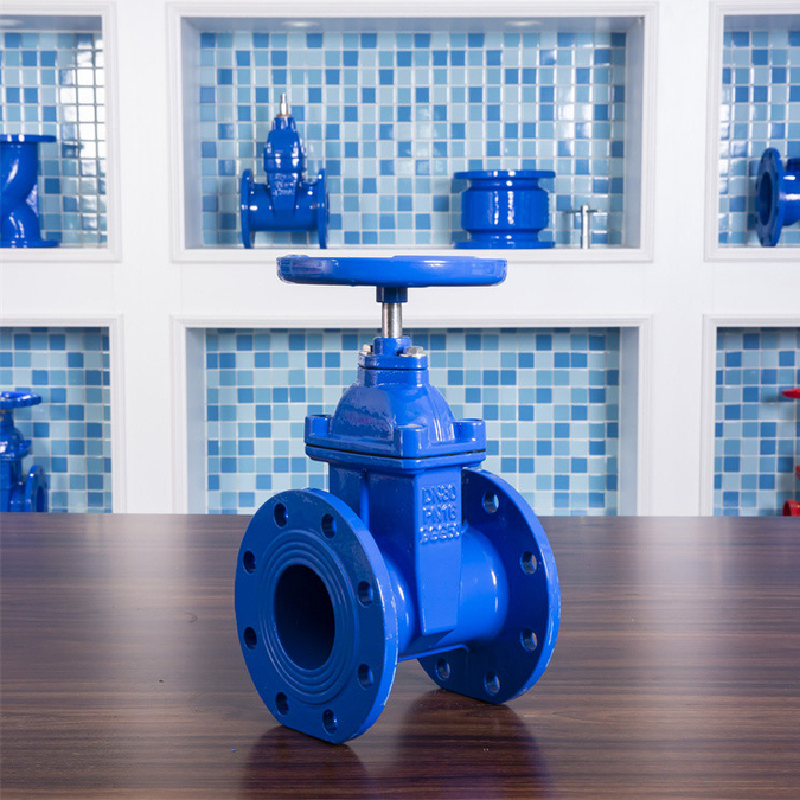
Replacing a Water Valve A Step-by-Step Guide Water valves are essential components of any plumbing system, controlling the flow of water in and out of various fixtures and appliances. Over time, these valves can wear out, become corroded, or develop leaks, necessitating their replacement. If you find yourself in a situation where you need to replace a water valve, whether it’s for a sink, toilet, or main water line, this guide will provide you with a comprehensive overview of the process, ensuring that you can carry out this task efficiently and safely. Understanding Water Valves Before diving into the replacement process, it’s essential to understand what type of water valve you are dealing with. Common types include gate valves, ball valves, and globe valves. Gate valves are typically used for on/off control and are not ideal for throttling. Ball valves, on the other hand, offer a quick on/off function with minimal flow resistance. Globe valves are mainly used for regulating flow. Identifying your valve type will help you choose the right replacement. Tools and Materials To successfully replace a water valve, gather the following tools and materials - Adjustable wrenches or a set of pipe wrenches - Screwdriver (flathead or Phillips, depending on your valve) - Replacement valve - Plumber’s tape (Teflon tape) - Bucket or towels to catch any residual water - Safety goggles and gloves Steps to Replace a Water Valve 1 . Turn Off the Water Supply Safety is paramount when working with plumbing. Locate the main water shut-off valve in your home, usually found near the water meter. Turn it off by rotating the handle clockwise. If you're replacing a valve for a specific fixture, such as a sink or toilet, you may find individual shut-off valves beneath the fixture. 2. Drain the System Open the faucet or fixture associated with the valve you are replacing to allow any remaining water to drain out of the system. This step is crucial to prevent water from spilling when you remove the valve. replace a water valve 3. Remove the Old Valve Using your adjustable wrenches, carefully loosen and disconnect the old valve from the pipe. If the valve has screws, use your screwdriver to remove them first. Be prepared for some residual water to spill out, so keep your bucket or towels handy. 4. Clean the Threads Once the old valve is removed, inspect the threads on the pipe for any debris or old plumber’s tape. Clean the threads to ensure a good seal with the new valve. Any residue could lead to leaks. 5. Install the New Valve Wrap the threads of the pipe with plumber's tape to ensure a tight seal. Then, attach the new valve by threading it onto the pipe. Make sure it’s oriented correctly, with the handle positioned in a way that makes it easy to operate. Tighten it carefully with your wrench, being cautious not to over-tighten, as this can damage the threads. 6. Check for Leaks Once the new valve is installed, turn the main water supply back on slowly. Look for any signs of leaks around the valve. If you notice any leaking, you may need to tighten it slightly or reapply plumber's tape. 7. Test the Valve Finally, test the new valve by turning it on and off a few times. Make sure it operates smoothly and that water flows without any obstruction. Check for leaks once more after testing. Conclusion Replacing a water valve is a straightforward task that can save you from costly plumbing issues in the future. By following these steps, you can ensure that the valve operates efficiently and securely. Always remember to wear proper safety gear and take your time to do the job correctly. If at any point you feel uncomfortable or unsure, don’t hesitate to consult a professional plumber. Regular maintenance of your plumbing system will not only prolong its life but also ensure the health and safety of your home environment.
about
oval light up mirror
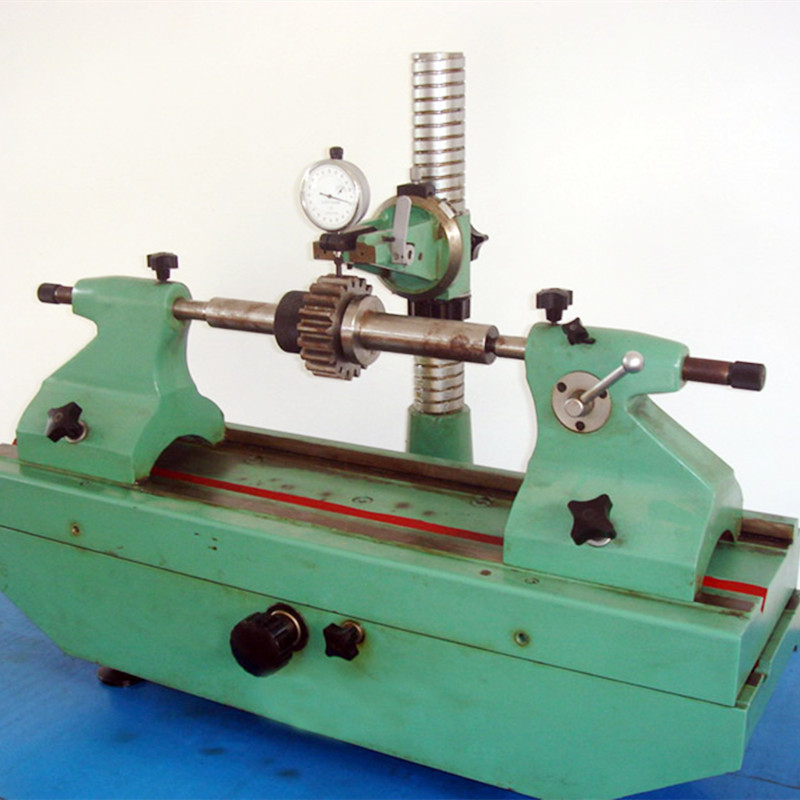
Understanding Spline Gage Calibration A Comprehensive Guide In the realm of precision manufacturing and quality control, the importance of accurate measurement cannot be overstated. Among the various tools employed by engineers and inspectors, spline gages play a crucial role in ensuring the reliability and performance of machined components. However, to maintain their accuracy, spline gages must be properly calibrated. This article discusses the fundamental aspects of spline gage calibration, including its importance, the calibration process, and best practices to achieve effective results. What is a Spline Gage? A spline gage is a measuring tool designed to evaluate the form and dimensions of spline profiles, which are often used in mechanical components such as gears, shafts, and couplings. Splines are key features that enable the transmission of torque between two parts without the risk of slippage. Accurate measurement of these profiles ensures that the components will fit together properly, minimizing wear and enhancing functionality. The Importance of Calibration Calibration is the process of verifying and adjusting the accuracy of measurement tools against a known standard. For spline gages, calibration is essential for several reasons 1. Accuracy Regular calibration ensures that spline gages are providing precise measurements, which is critical for maintaining the quality of manufacturing processes. 2. Compliance Many industries are governed by strict regulatory standards that require regular calibration of measurement tools to ensure compliance and maintain certifications. 3. Cost Efficiency Inaccurate measurements can lead to defective products, increased waste, and higher costs. Calibration minimizes these risks by ensuring that all measurements are correct from the outset. The Calibration Process Calibration of spline gages typically involves several key steps 1. Preparation Before beginning the calibration process, it is important to gather all necessary equipment, including certified calibration standards, measurement devices, and documentation forms. The environment should be controlled to minimize factors like temperature fluctuations and vibrations that could affect measurements. spline gage calibration 2. Verification of Standards Calibration standards, which are precision tools with known dimensions, must be verified. This ensures that the standards themselves are accurate and can be relied upon for calibrating the spline gage. 3. Measurement The spline gage is then measured against the calibration standards. This may involve using a comparator or other measuring devices to assess the gage's dimensions and profile accuracy. 4. Adjustment If discrepancies are found between the spline gage measurements and the calibration standards, adjustments must be made. This may involve mechanical adjustments or recalibrating the tool to align with the standard’s specifications. 5. Documentation Once the calibration process is complete, it is crucial to document the results thoroughly. This documentation should include details of the calibration procedure, any adjustments made, and the final measurements. Proper records will help maintain compliance and provide traceability. Best Practices for Effective Calibration To achieve reliable results during spline gage calibration, consider the following best practices - Regular Calibration Intervals Establish a schedule for regular calibration based on usage patterns and industry standards. Frequent calibrations can help catch inaccuracies before they affect production quality. - Train Personnel Ensure that all personnel involved in the calibration process are well-trained in measurement techniques and aware of the importance of proper calibration procedures. - Use Environmental Controls Where possible, perform calibrations in a controlled environment to reduce the chances of external factors influencing the results. - Utilize Advanced Technologies Consider investing in automated calibration systems that can improve accuracy and reduce human error in measurement processes. Conclusion In manufacturing and engineering, the precision of measurements plays a pivotal role in product quality and functionality. Calibration of spline gages ensures that these vital tools provide accurate measurements, thus supporting high-quality manufacturing practices. By following the systematic calibration process and adhering to best practices, companies can enhance their operational efficiency, reduce waste, and maintain compliance with industry standards. Ultimately, investing in spline gage calibration is an indispensable step toward achieving excellence in manufacturing.
-

High quality industrial productsagement

High quality industrial products
View Details -

Meet the diverse needs of customers

Meet the diverse needs of customers
View Details -

Strict quality control

Strict quality control
View Details -

Top raw materials

Top raw materials
View Details -

Trusted supplier

Trusted supplier
View Details
Our application


news and information
Verkauf von präzisen Stiftmessgeräten für industrielle Anwendungen und Qualitätskontrolle
Pin-Gauges zum Verkauf Präzision und Qualität für Ihre Fertigung In der modernen Fertigungsindustrie

Water control valve
Understanding Water Control Valves Function, Types, and Applications Water control valves are pivota
Y-Type Cast Iron Strainer for Efficient Fluid Filtration and Flow Control
The Importance of Cast Iron Y-Type Strainers in Industrial Applications In various industrial applic
 English